
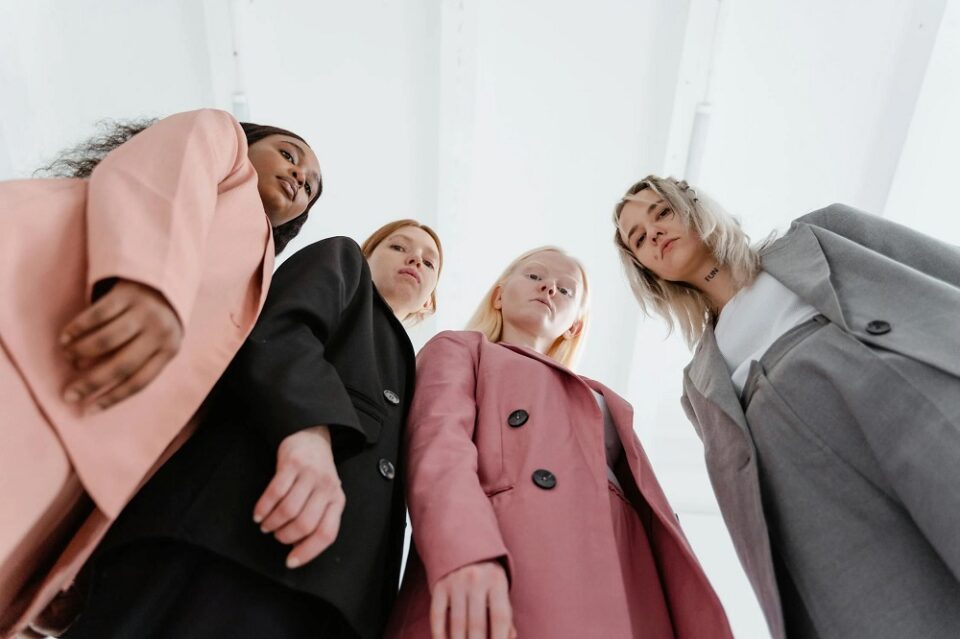
Clothing was originally conceived for purely utilitarian purposes: protection against the elements, insulation from cold weather, and defensive physical coverage. However, as human civilization evolved, garments transformed from basic biological necessities into sophisticated tools of communication. In contemporary society, clothing has transcended its physical utility to become a primary medium for personal agency, psychological projection, and cultural positioning.
Fashion serves as a visual language that requires no translation. Long before an individual speaks, their choice of attire communicates values, mood, social alignment, and aesthetic sensibilities to the surrounding world. In an increasingly fast-paced and visual society, fashion functions as a dynamic canvas for modern self-expression, allowing individuals to navigate their identities, challenge social norms, and project their authentic selves to the world.
The Psychology of Dress and Enclothed Cognition
The relationship between fashion and self-expression goes far deeper than surface-level vanity. Psychological research has demonstrated that the clothing people wear has a profound impact on their cognitive processes, emotional states, and behavioral patterns. This phenomenon is scientifically known as enclothed cognition, a term that describes the systematic influence that clothes have on the wearer’s psychological experiences.
The Internal Feedback Loop
When an individual selects a specific outfit, they are not merely constructing an outward image; they are altering their internal mindset. This internal feedback loop operates on two distinct levels:
-
The Symbolic Meaning: Every garment carries an inherent cultural or social symbolic meaning. For instance, a tailored blazer is widely associated with professionalism, authority, and analytical precision, whereas a loose linen shirt evokes relaxation, creativity, and ease.
-
The Physical Experience: The tactile sensation of wearing a garment interacts with the brain to evoke specific emotional responses. High-quality structured fabrics can induce feelings of security and confidence, while soft, fluid textiles can promote comfort and emotional openness.
When an individual wears clothes that align with their internal identity or desired mental state, their self-assurance increases. This alignment can enhance performance in high-stress situations, improve public speaking confidence, and foster a stronger sense of personal control. Fashion is therefore a tool for self-actualization, enabling individuals to actively curate their psychological state from the outside in.
Navigating Identity and Subcultural Alignment
Fashion plays a critical role in how individuals establish boundaries, discover communities, and signal alignment with specific social movements or subcultures. Throughout modern history, marginalized groups, youth movements, and countercultures have weaponized fashion to reject mainstream conformity and build cohesive collective identities.
Signification and Subculture
The visual markers of subcultures provide an immediate sense of belonging for individuals seeking community. For example, the punk movement of the late twentieth century used shredded denim, safety pins, and leather jackets to signal a deliberate rejection of bourgeois consumerism and political passivity. Similarly, contemporary internet-driven subcultures allow individuals to find global micro-communities by adopting distinct visual uniforms.
By adopting the specific aesthetic codes of a chosen group, individuals can find validation and solidarity without needing to articulate their positions verbally. This visual signaling system creates an immediate sense of psychological safety among like-minded peers while establishing clear boundaries from the broader, conforming populace.
Fluidity of the Modern Self
Unlike traditional societies where dress codes were strictly enforced by class, occupation, or geography, the modern landscape allows for unprecedented aesthetic fluidity. An individual is no longer tied to a single aesthetic identity for life. They can embody a minimalist, corporate persona on a weekday afternoon and transition into an eclectic, vintage-inspired wardrobe over the weekend.
This compartmentalization allows people to explore different facets of their personality safely. Fashion accommodates the multi-dimensional nature of modern human identity, serving as an evolving archive of an individual’s personal growth, changing values, and shifting life phases.
Dismantling Societal Norms and Gender Binaries
One of the most transformative aspects of fashion in contemporary culture is its role in challenging and dismantling archaic societal structures, particularly regarding gender presentation. Historically, clothing was strictly segregated along a binary axis, with rigid legal, religious, and social codes dictating what was appropriate for men and women.
The Rise of Gender-Fluid Fashion
Modern self-expression through fashion has increasingly rejected these artificial boundaries. The contemporary shift toward genderless, non-binary, and fluid collections represents a profound liberation of the self. Individuals are increasingly choosing garments based on silhouette, fabric, drape, and personal comfort rather than the gender label printed on the clothing tag.
-
Reclaiming Silhouettes: Men incorporating skirts, heels, and delicate floral textiles into their wardrobes challenges historical definitions of masculinity, decoupling strength from rigid sartorial expressions.
-
Subverting Expectations: Women adopting oversized, structural tailoring and traditionally masculine utility wear subverts the historical male gaze, prioritizing utility, comfort, and personal authority over objectification.
This progressive blurring of lines allows individuals to express their gender identity authentically, positioning fashion as a vital vehicle for social progress, political resistance, and individual liberation.
The Intersection of Ethical Fashion and Personal Values
In the modern era, self-expression through fashion has expanded to encompass an individual’s ethical belief systems. Consumers are increasingly recognizing that their wardrobe choices carry significant socio-economic and environmental consequences. Consequently, personal style is no longer just about aesthetics; it is about ethics.
Consumption as a Political Statement
Choosing to boycott mass-produced fast fashion in favor of sustainable, ethically sourced, or secondhand garments is a powerful declaration of personal values. When an individual wears upcycled clothing or supports independent artisans, their outfit becomes a tangible manifestation of their commitment to environmental preservation, human rights, and mindful consumption.
This shift transforms the act of getting dressed into a conscious daily ritual. The modern consumer uses their wardrobe to tell a story about who they are and what kind of world they want to build, proving that self-expression can be deeply integrated with global responsibility.
Curation in the Digital and Social Media Age
The proliferation of digital platforms and social media ecosystems has fundamentally altered the velocity and reach of fashion as a form of self-expression. Historically, fashion inspiration was distributed top-down by a small circle of elite magazine editors and designers. Today, the democratization of media has shifted this power dynamic entirely to the individual.
The Virtual Wardrobe and Digital Identity
Digital platforms allow individuals to document, experiment with, and broadcast their personal style to a global audience. This public curation creates digital lookbooks that serve as externalized representations of the self. In virtual spaces, fashion becomes an accessible passport to global connection.
An individual with an unconventional sense of style in a small town can share their outfits online, instantly connecting with a worldwide network of peers who validate and mirror their aesthetic choices. This digital democratization ensures that anyone with internet access can actively participate in the global fashion conversation, accelerating individual experimentation and redefining traditional beauty standards.
Frequently Asked Questions
What is the specific difference between fashion and personal style?
Fashion refers to the collective, industry-driven trends, designs, and cultural movements that are dominant within the marketplace at any given moment. It is external, cyclical, and dictated by designers, retailers, and media platforms. Personal style, by contrast, is internal, enduring, and deeply individualized. It is the specific method by which a person selects, combines, and wears clothing to reflect their unique personality and values. An individual can use elements of current fashion to build their personal style, but style remains independent of the trend cycle.
How does fast fashion impact an individual’s ability to express themselves authentically?
While fast fashion has democratized access to trendy clothing by making it affordable, it often homogenizes self-expression. Because fast fashion brands rely on mass production and rapid replication of uniform global trends, it can lead to a saturation of identical aesthetics, making original style harder to cultivate. Furthermore, the low quality of mass-produced garments means they have a short lifespan, forcing consumers into a constant cycle of replacement rather than allowing them to build a curated, long-term wardrobe that truly reflects their personal history and identity.
Why do certain clothing items evoke strong historical and political reactions in society?
Clothing items evoke intense reactions because textiles carry deep historical, economic, and institutional context. Throughout history, garments have been used to enforce class divisions, signify religious compliance, or mark political allegiance. When an individual modifies or subverts these traditional garments, it threatens the established social hierarchy. For example, when women began wearing trousers in the early twentieth century, it was met with severe backlash because it visually challenged the systemic restriction of women to the domestic sphere and symbolized an explicit claim to male societal privileges.
How can someone discover their personal style if they feel overwhelmed by trends?
Discovering personal style amidst a constant influx of trends requires stepping away from algorithmic feeds and focusing on personal utility and comfort. A practical approach is to audit your existing wardrobe and identify the pieces you wear most frequently and feel most confident in. Look for recurring patterns in those garments, such as specific silhouettes, color palettes, or fabric textures. Building a foundation of high-quality capsule pieces that fit your lifestyle ensures that your wardrobe remains functional, allowing trends to be incorporated intentionally rather than reactively.
Does caring about fashion indicate that a person is superficial or materialistic?
Caring about fashion is not inherently superficial. Dismissing fashion as frivolous ignores its profound psychological, historical, and artistic dimensions. Because humans must wear clothing to navigate the physical world, the choices made regarding those garments are acts of self-determination. Engaging with fashion is an accessible form of daily creative expression that influences mental health, communicates complex cultural identities, and fosters community belonging, making it a deeply human and meaningful endeavor.
How do historical dress codes continue to influence modern corporate attire?
Modern corporate attire is deeply rooted in the dress codes established during the Industrial Revolution and the rise of Western European banking systems. These standards prioritized uniformity, neutrality, and rigid structures to project stability, discipline, and emotional detachment. While contemporary workplaces have shifted toward business casual or creative dress, the historical emphasis on neatness, understated color palettes, and specific silhouettes remains a powerful structural signifier of professional competence and institutional respectability across global markets.
What role does vintage and thrift shopping play in contemporary self-expression?
Vintage and thrift shopping allows individuals to step completely outside the constraints of current mass-market manufacturing. By sourcing garments from different decades, individuals can discover unique cuts, rare textiles, and distinct design details that are unavailable in modern retail stores. This style of sourcing fosters highly individualized self-expression, as the resulting outfits cannot be easily replicated by others. Additionally, it fulfills an ethical desire to reduce consumer waste, allowing the wearer to express both aesthetic originality and environmental responsibility simultaneously.