
Vehicles are complex machines engineered with thousands of moving parts working in synchronization under high temperatures and intense pressure. Over time, components wear out, fluids degrade, and filters become clogged. Ignoring these gradual changes does not just reduce a vehicle’s performance; it actively accelerates mechanical failure.
Automotive preventive maintenance is the practice of systematically inspecting, servicing, and replacing vehicle components before they fail. Rather than waiting for a dashboard warning light or a complete breakdown, drivers who adhere to a strict maintenance schedule manage their vehicle’s health proactively. This approach yields substantial benefits in financial savings, operational safety, vehicle longevity, and fuel efficiency.
Minimizing Long-Term Repair Costs
The most compelling argument for regular preventive maintenance is financial. There is a direct, inverse relationship between the money spent on routine servicing and the money spent on emergency repairs. Minor investments in fluids and filters prevent the catastrophic failure of major systems like the engine, transmission, and steering.
The True Cost of Neglect
When basic maintenance tasks are deferred, the financial consequences compound rapidly. Consider the following structural systems and the compounding costs associated with ignoring them:
-
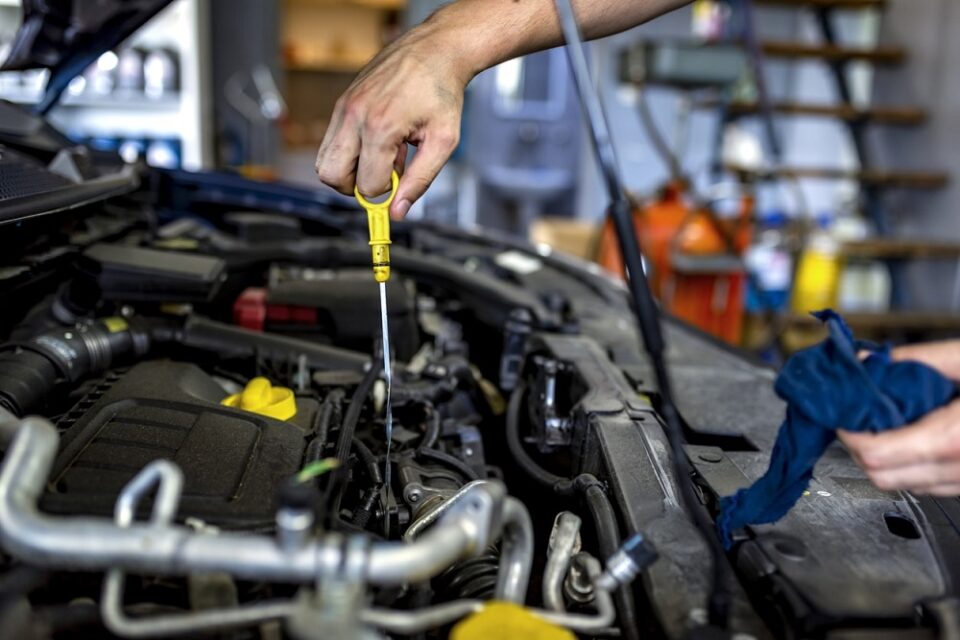
Engine Lubrication: A standard oil and filter change is relatively inexpensive. Motor oil lubricates moving parts, reduces friction, and carries heat away from the engine core. Over time, heat and mechanical stress break down oil, turning it into a thick sludge. If left unchanged, this sludge blocks oil passages, causing metal-on-metal contact. The result is a seized engine, which requires a complete engine replacement costing thousands of dollars.
-
Braking Systems: Brake pads use friction material to slow down the vehicle. This material wears away naturally with use. Replacing worn brake pads is a standard, affordable service. However, if a driver ignores the warning squeal of worn pads, the friction material wears down completely. The bare metal backing plate then presses directly against the brake rotor. This metal-on-metal contact ruins the rotors and can damage the calipers, multiplying the repair bill significantly.
-
Cooling Systems: Engine coolant prevents the vehicle from overheating. Over time, coolant becomes acidic and loses its protective properties, leading to corrosion inside the radiator and water pump. If the cooling system fails, the engine can overheat, causing warped cylinder heads, blown head gaskets, or a cracked engine block.
Proactive maintenance eliminates these compounding failures. Spending a small amount on scheduled service preserves the integrity of larger, more expensive components.
Ensuring Driver and Passenger Safety
While financial savings are substantial, vehicle safety is paramount. A poorly maintained vehicle is an unpredictable hazard on the road, increasing the risk of accidents for the occupants and other drivers. Preventive maintenance ensures that critical safety systems function exactly when needed.
Critical Safety Components
-
Traking and Braking: The ability to stop reliably is the most critical safety feature of any vehicle. Routine brake inspections verify the thickness of the pads, the condition of the rotors, and the integrity of the hydraulic brake fluid. Moisture can seep into brake fluid over time, lowering its boiling point and leading to a spongy pedal feel or total brake fade during hard braking.
-
Tire Integrity and Traction: Tires are the only point of contact between the vehicle and the road. Maintenance involves checking tire pressure, rotating tires to ensure even wear, and monitoring tread depth. Under-inflated tires generate excessive heat, which can lead to sudden blowouts at highway speeds. Worn tread reduces the tire’s ability to disperse water, drastically increasing the risk of hydroplaning in wet weather.
-
Steering and Suspension: Shock absorbers, struts, ball joints, and tie rods dictate how well a vehicle handles. Worn suspension components compromise steering control, extend braking distances, and make the vehicle unstable during sudden evasive maneuvers.
Regular inspections identify microscopic cracks, fluid leaks, and structural play in these systems before they cause a dangerous mechanical failure at high speeds.
Optimizing Fuel Efficiency and Performance
Rising fuel prices make fuel economy a priority for most drivers. A vehicle’s fuel efficiency is tied directly to its mechanical health. When a vehicle is not maintained, its engine must work harder to perform the same amount of work, consuming more fuel in the process.
Mechanical Factors Influencing Fuel Economy
-
Air Induction: An internal combustion engine requires a precise mixture of air and fuel. A clogged engine air filter restricts airflow, forcing the engine computer to alter the fuel mixture, which reduces gas mileage and causes rough idling.
-
Spark Plug Efficiency: Spark plugs ignite the air-fuel mixture inside the cylinders. As spark plugs age, their electrodes erode, widening the gap the spark must jump. This leads to incomplete combustion, engine misfires, and wasted fuel. Replacing spark plugs at specified intervals restores factory-level combustion efficiency.
-
Drivetrain Drag: Old, degraded lubricants in the transmission and differentials increase internal friction. When components experience high resistance, the engine burns additional fuel to overcome the drag. Fresh fluids ensure smooth power transfer with minimal parasitic power loss.
Keeping these systems clean and properly lubricated ensures the vehicle operates at peak thermal and mechanical efficiency, saving money at the fuel pump.
Extending Vehicle Longevity and Resale Value
For most people, a vehicle is one of the largest investments they will make. Protecting that investment means maximizing the vehicle’s functional lifespan. The difference between a car that runs reliably past 200,000 miles and one that becomes unreliable at 80,000 miles is almost always the quality of maintenance it received.
Protecting Asset Value
A documented history of regular service serves as definitive proof to potential buyers that a vehicle was cared for properly. When the time comes to sell or trade in a vehicle, a well-documented service booklet or a clean digital service history directly translates into a higher resale value.
Conversely, a vehicle with no service records, uneven tire wear, and discolored fluids signals neglect, forcing the seller to accept a significantly lower price.
Reducing Environmental Impact
Vehicles are major contributors to environmental pollution. However, a properly maintained vehicle runs cleaner and emits fewer harmful contaminants into the atmosphere.
When an engine burns fuel inefficiently due to bad spark plugs, a clogged air filter, or a malfunctioning oxygen sensor, it releases unburnt hydrocarbons and excessive carbon monoxide into the air. Furthermore, an inefficient engine stresses the catalytic converter, which is responsible for converting toxic gases into less harmful emissions. Over time, unburnt fuel entering the exhaust stream will destroy the catalytic converter, resulting in a costly repair and a vehicle that cannot pass local emissions testing.
Preventive maintenance also prevents fluid leaks. Oil, coolant, and brake fluid are highly toxic to the environment. When these fluids leak from a poorly maintained engine bay, they wash into storm drains and contaminate local water supplies and soil.
Creating a Structural Maintenance Schedule
To reap the benefits of preventive maintenance, vehicle owners must follow a structured framework based on intervals of time or mileage. While specific recommendations vary by manufacturer, a standard maintenance framework generally follows these milestones:
Every 3,000 to 5,000 Miles
-
Change the engine oil and replace the oil filter.
-
Inspect tire pressure and check tread depth.
-
Inspect fluid levels, including windshield washer fluid and power steering fluid.
Every 6,000 to 10,000 Miles
-
Rotate the tires to balance tread wear across the front and rear axles.
-
Inspect the engine air filter and the cabin air filter.
-
Conduct a visual inspection of the braking system.
Every 30,000 to 60,000 Miles
-
Replace the engine air filter and cabin air filter.
-
Flush and replace the brake fluid and power steering fluid.
-
Inspect the condition of engine drive belts and coolant hoses.
-
Inspect the suspension components for play or worn bushings.
Every 90,000 to 100,000 Miles
-
Replace the spark plugs and wires.
-
Flush the engine cooling system and replace the coolant.
-
Replace the transmission fluid and filter.
-
Inspect or replace the timing belt, if the vehicle is equipped with one.
Frequently Asked Questions
Why does brake fluid need to be changed if the system is sealed?
Brake fluid is hygroscopic, meaning it naturally absorbs moisture from the air over time, even in a sealed system. This moisture enters through microscopic pores in rubber hoses and seals. When water mixes with brake fluid, it lowers the fluid’s boiling point. Under heavy braking conditions, the water can boil and turn into gas, which compresses easily and causes a soft or spongy brake pedal, reducing stopping power. Additionally, moisture causes internal corrosion in expensive components like the anti-lock braking system module and brake calipers.
What is the difference between severe and normal driving conditions?
Most owners manuals contain two different maintenance schedules based on driving conditions. Normal driving refers to highway speeds over flat terrain with moderate ambient temperatures. Severe driving conditions include frequent short trips under five miles, stop-and-go city traffic, driving in extreme heat or freezing cold, towing a trailer, or driving on dusty and unpaved roads. Most drivers actually operate their vehicles under conditions that qualifiers classify as severe, which requires more frequent fluid changes and inspections.
Can I mix different brands or colors of engine coolant?
It is not recommended to mix different types of engine coolant. Coolants use distinct chemical formulations, such as Inorganic Acid Technology, Organic Acid Technology, or Hybrid Organic Acid Technology, to protect the specific metals used in your engine. Mixing different formulations can cause a chemical reaction that forms a thick, gel-like substance. This sludge clogs the narrow passages inside your radiator and heater core, leading to engine overheating and water pump failure. Always use the specific coolant specification detailed in the owner’s manual.
How do worn suspension bushings affect tire wear?
Suspension bushings are rubber or polyurethane components that cushion the joints between metal parts, absorbing road vibration and maintaining proper wheel alignment. When these bushings dry out, crack, or compress, they allow the suspension arms to shift out of their correct geometric positions. This movement alters the wheel alignment alignment angles while the vehicle is in motion. This misalignment forces the tires to drag sideways or ride unevenly on their edges, causing rapid, uneven tire wear known as cupping or feathering.
Why do spark plugs need to be replaced if the car still starts fine?
Even if an engine starts reliably, aging spark plugs experience a gradual degradation process called spark plug gap growth. Every time a spark plug fires, a tiny amount of metal is worn away from the electrodes. As the gap between the electrodes widens, the vehicle’s ignition system must supply a higher voltage to bridge the space. This puts increased electrical stress on the ignition coils, leading to premature coil failure. Wide gaps also cause subtle, incomplete combustion cycles that lower fuel efficiency long before a noticeable engine misfire triggers a dashboard check engine light.
What happens if a timing belt breaks while driving?
If a vehicle is equipped with an interference engine, a broken timing belt causes catastrophic internal damage instantly. The timing belt synchronizes the rotation of the crankshaft and the camshaft, ensuring the engine valves open and close at precise moments relative to the pistons. If the belt snaps, the camshaft stops turning immediately, leaving several valves stuck in the open position. The crankshaft continues to spin due to momentum, forcing the heavy pistons to smash into the open valves at high speed. This bends the valves, destroys the pistons, and often ruins the engine block entirely.
Does performing my own basic maintenance void my vehicle warranty?
Performing your own basic maintenance like oil changes, filter replacements, and tire rotations does not void a vehicle’s factory warranty. The Magnuson-Moss Warranty Act protects consumers in the United States by making it illegal for manufacturers to void a warranty simply because the owner performed the maintenance or used third-party parts. However, you must keep meticulous records, including dated receipts for the parts and fluids purchased, along with a log of the mileage at the time of service, to prove the required maintenance was executed correctly if a warranty claim arises.