
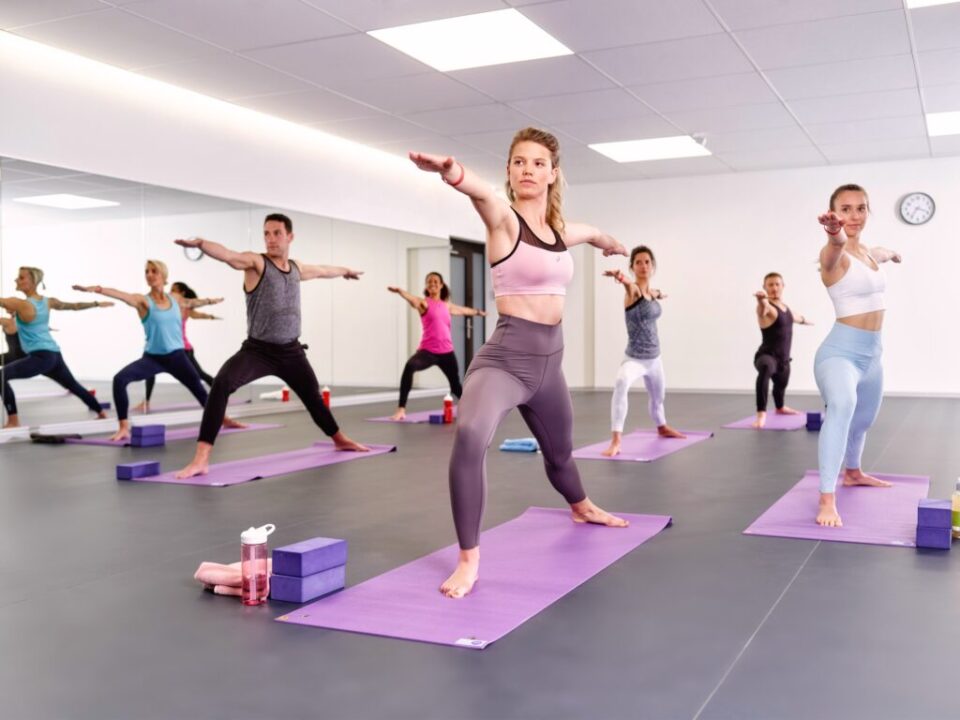
Health-conscious adults are becoming more interested in movement routines that do several things well. They want strength without unnecessary strain, mobility without careless stretching and recovery without complete inactivity. This is why yoga classes built around strength, mobility and recovery have strong appeal for modern lifestyles. The value of yoga is not limited to relaxation or flexibility. A well-structured practice can train muscular control, joint range, balance, breath regulation and nervous system recovery. These are practical qualities that support daily function, especially for people managing desk work, stress and busy schedules.
Why strength matters in yoga
Strength supports posture, stability and confidence in movement. In yoga, strength is often built through bodyweight control. Students hold standing postures, stabilise the core, support weight through the arms and move slowly between shapes. This kind of strength is different from simply lifting heavier loads. It requires awareness. The student must notice alignment, breath and balance. This makes strength work feel integrated rather than isolated. For adults, this can be useful because daily life requires control. Sitting upright, carrying bags, climbing stairs and moving safely all benefit from strength.
Mobility as controlled freedom
Mobility is the ability to move through a range with control. It is not the same as passive flexibility. A person may be able to stretch deeply but still lack stability. Yoga helps connect range with awareness and strength. For example, a lunge can stretch the hip flexors while strengthening the legs. A twist can improve spinal rotation while encouraging length. A balance pose can reveal ankle, hip and core control. This makes yoga valuable for people who want movement that feels usable outside class.
Recovery and the nervous system
Recovery is increasingly recognised as an important part of health. The body cannot remain in constant effort mode without consequences. Stress, poor sleep and overtraining can affect energy, mood and motivation. Yoga supports recovery by using breath, slower movement and rest. Even active classes often end with a calming phase that allows the body to settle. This helps students experience the full cycle of effort and release.
Why the combination works
Strength, mobility and recovery complement each other:
- Strength supports joint stability
- Mobility allows freer movement
- Recovery helps the body adapt
- Breath connects effort with calm
- Awareness reduces careless movement
- Consistency turns benefits into habits
Together, these qualities create a more balanced practice.
Why desk-based adults respond well to this approach
Desk work creates a mix of weakness, tightness and stress. Some muscles become overused, while others become inactive. The hips may tighten. The upper back may round. The shoulders may tense. Breathing may become shallow. A yoga class that combines strength, mobility and recovery can address these patterns more completely than a single-purpose routine. It can wake up underused areas, release tension and calm the mind.
The role of breath in performance and recovery
Breath is not just a relaxation tool. It also affects how people manage effort. During challenging postures, steady breathing can prevent unnecessary tension. During slower phases, breath can help the body settle. Students who learn breath control may also use it outside class. It can help during work pressure, emotional stress or sleep preparation. This makes breath one of the most practical skills developed in yoga.
Avoiding the extremes of modern fitness
Some fitness routines focus heavily on intensity. Others focus only on stretching or passive relaxation. Yoga offers a middle path when designed well. It can be challenging without being punishing and calming without being inactive. This balance appeals to adults who want longevity. They are not only chasing short-term results. They want a body that moves well, feels strong and recovers properly.
Teacher guidance makes the difference
The benefits of strength, mobility and recovery depend heavily on instruction. Teachers help students understand alignment, choose suitable options and avoid forcing range. Good guidance turns yoga into intelligent movement rather than a sequence of shapes. This matters because students have different bodies and histories. A safe class respects those differences while still offering meaningful challenge.
A refined space for integrated practice
A studio environment such as Yoga Edition can support students looking for a more complete practice experience. In a focused setting, students can explore strength, mobility and recovery with structure instead of trying to piece together random routines on their own. The studio environment also protects practice time, which helps students stay consistent.
Why this appeal will continue to grow
As people become more informed about wellness, they are less interested in one-dimensional routines. They want movement that supports real life. Strength, mobility and recovery-based yoga fits this shift because it speaks to how people actually feel and function. It helps the body become more capable, more mobile and more resilient. For modern adults, that combination is not just attractive. It is necessary for long-term wellbeing.